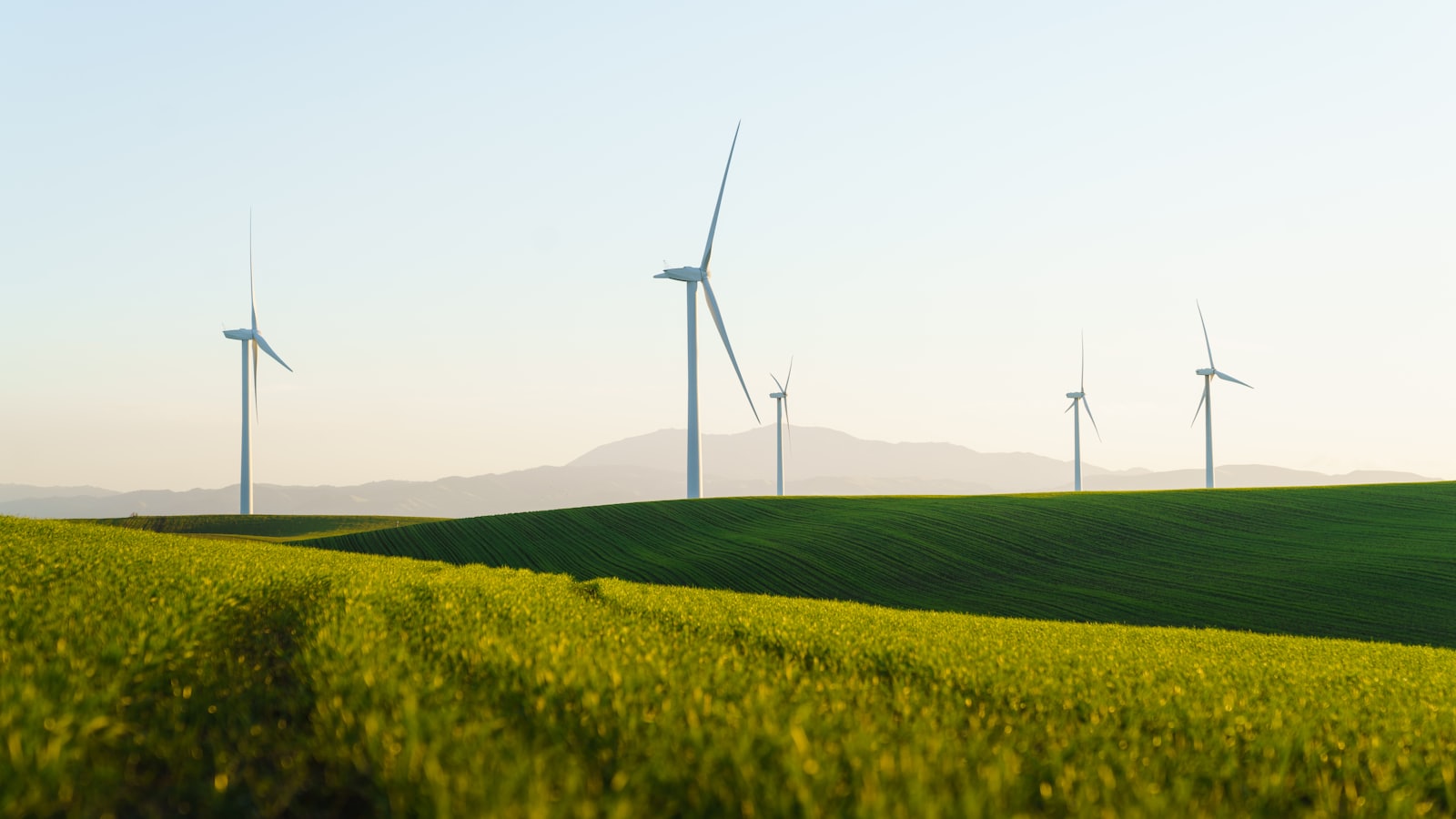
A growing share of onshore wind capacity in Germany and the Nordic countries is being added at sites that already have turbines standing on them. Repowering and life extension are moving from the margins of the industry towards the mainstream — driven less by any affection for old sites than by how difficult it has become to open new ones.
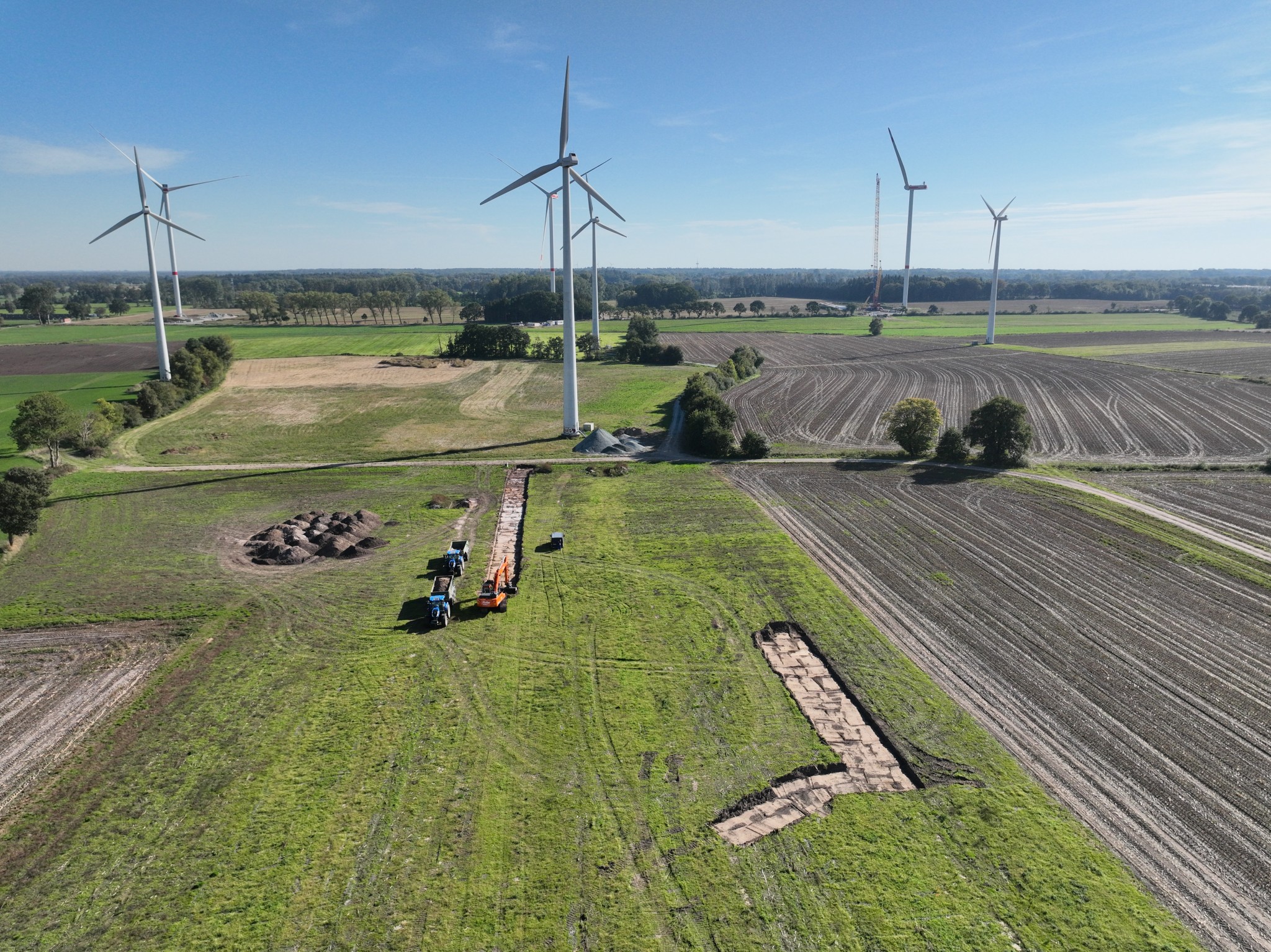
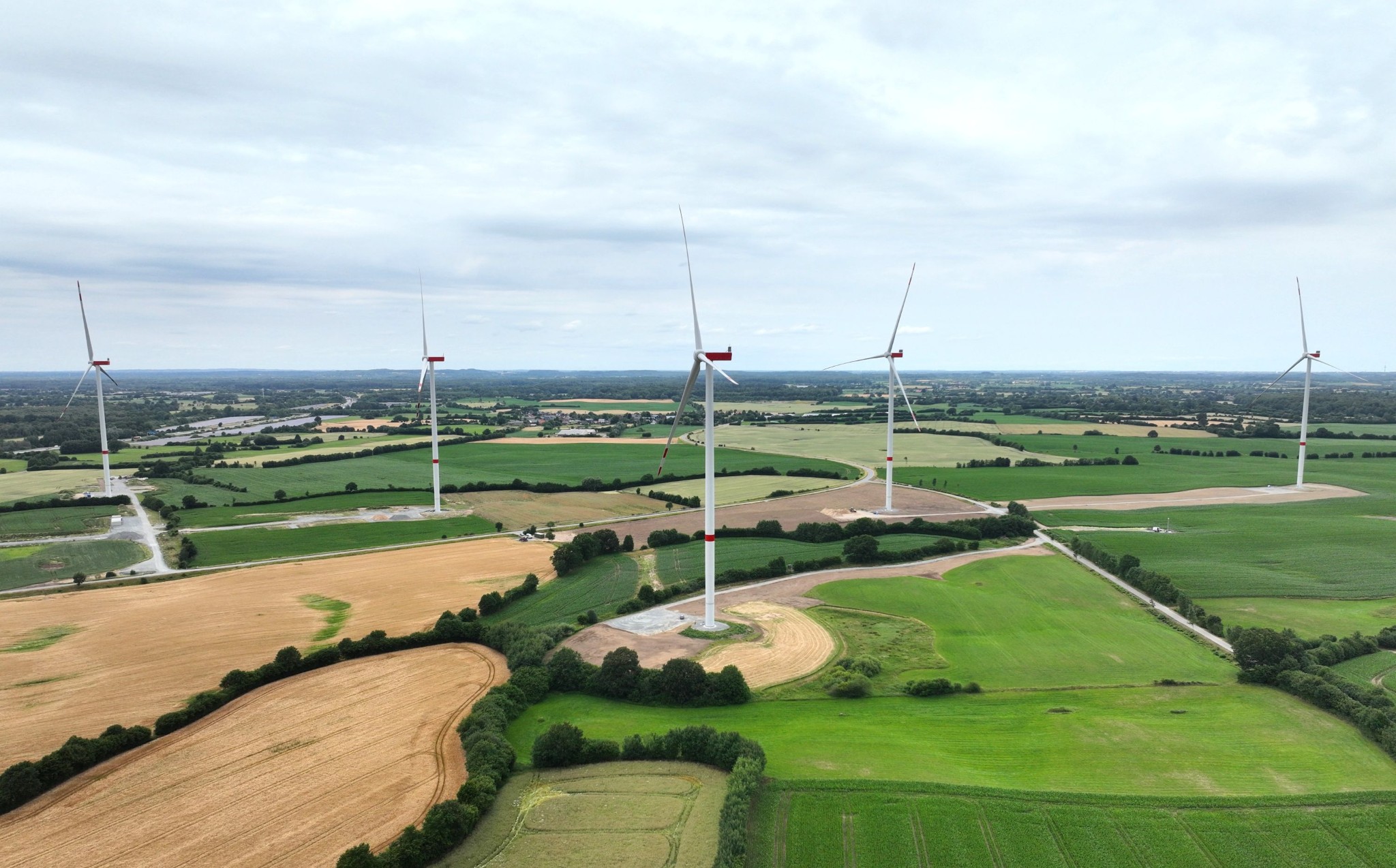
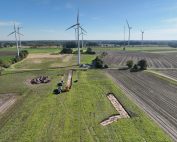
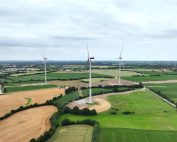
The mechanics are visible in Lower Saxony. ENOVA Power has begun construction on the repowering of the Hiddels wind farm in the Friesland district, replacing eleven turbines installed between 2000 and 2002 — nine Enercon E-66 units and two Vestas V66 units — with five Vestas V150 machines rated at 6 MW each. The result is 30 MW on ground that previously carried considerably less. “We are increasing capacity at the site by a factor of 1.6,” said Fabian Tews, Lead Project Management at ENOVA. The new turbines are expected to generate from the second half of 2027, with output projected to supply around 20,500 two-person households. ENOVA is also building a dedicated substation to give the site independent grid access.
In Sweden and Finland the same arithmetic applies at portfolio scale. Turbines erected during the build-out that accelerated from the 2000s — supported in Sweden by a technology-neutral electricity certificate scheme and in Finland partly by feed-in tariffs — are now reaching the end of their 20 to 25-year design life. The infrastructure around them is not. Permits, grid connections, foundations and access roads remain functional and retain value. Locus Energy, a portfolio company of the SEB Nordic Energy fund, has built its strategy around that gap, refurbishing or replacing components that have worn out while keeping the site and its connections intact. “Repowering lets us create long-term value from existing wind assets,” said Elin Löfblad, Portfolio Manager at SEB.
The pull towards existing sites is in reality a push away from new ones. Locus Energy points to lengthy permitting, the municipal veto in Sweden, tightening grid connection constraints and the capital cost of modern installations as structural barriers that can make the cost per kilowatt-hour of a greenfield project hard to justify — particularly where usable infrastructure already sits nearby.
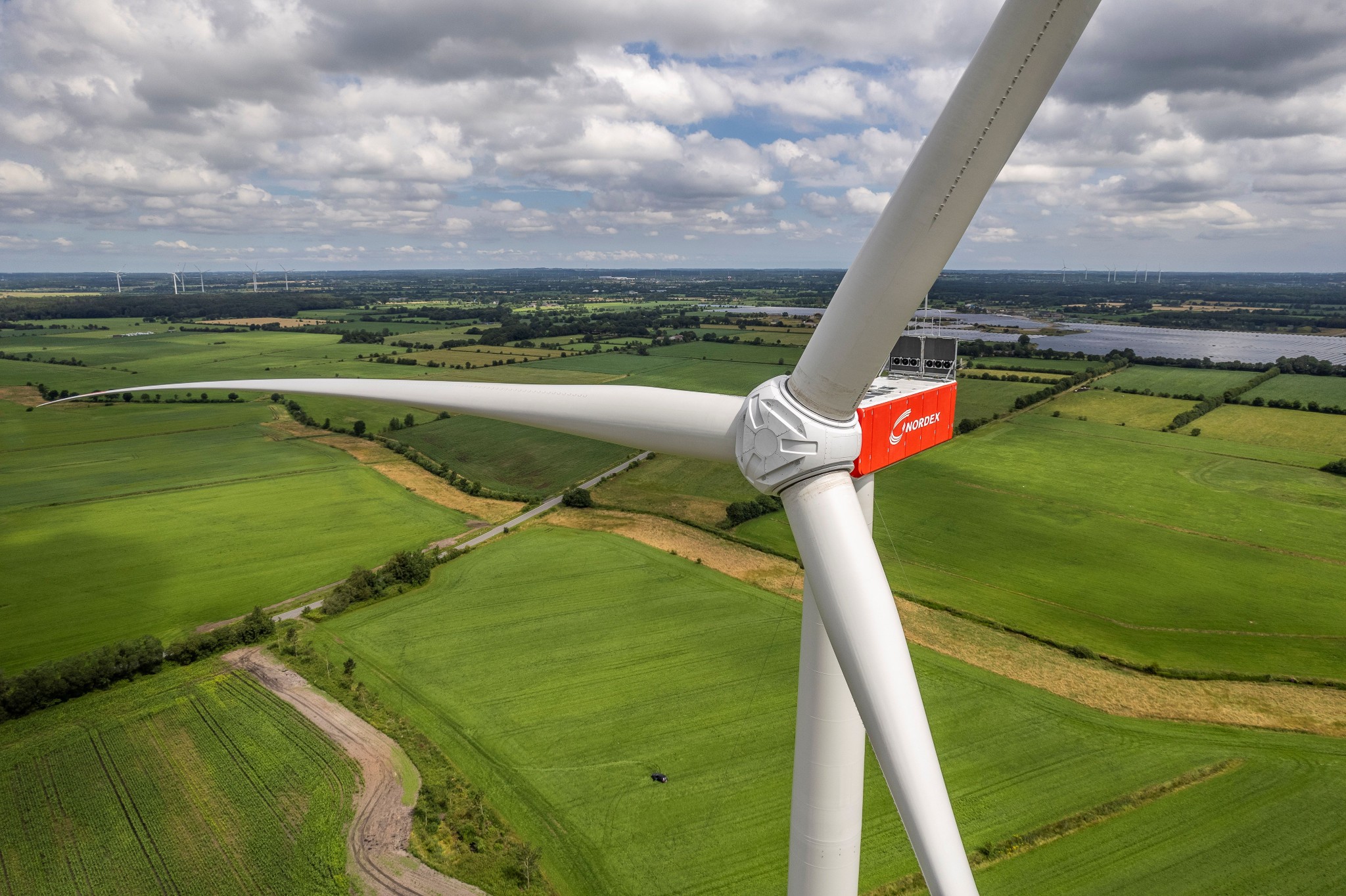
New build has not stopped. Nordex has taken an order from Westfälisch-Niedersächsische Energie for twelve N175/6.X turbines totalling 82 MW across three projects in Kreis Höxter, North Rhine-Westphalia, at hub heights of 179 metres, with construction due to start in mid-2027. Earlier in 2026 the same developer ordered three turbines for the Marienmünster-Altenbergen site at a 199-metre hub height, the first Nordex installation at that height. The lead times are instructive, though: an order placed now puts steel in the ground more than a year later. A repowering permit attached to an existing site can move faster than that.
Either route draws on the same regional supply chain, and that supply chain is being extended in Poland. Windar Renovables is developing a second Polish tower factory at CTPark Legnica, leasing close to 29,000 sqm of industrial space alongside a storage yard of almost 41,000 sqm. Production is scheduled to start in the fourth quarter of 2026, with capacity for up to 200 onshore towers a year — the equivalent of more than 1,000 MW — aimed primarily at the Polish and German markets, and creating around 300 jobs. “Poland is clearly a key logistics hub for supplying wind turbine components across the Central European market,” said Pelayo Berjano, CEO of Windar Polska.
The policy framing has caught up with the industrial one. On a visit to Nordex’s Hamburg headquarters, European Commission Executive Vice-President Teresa Ribera argued that accelerating wind deployment is a security question as much as a climate one: “Renewable energy — and wind in particular — is not stuck in the Strait of Hormuz.” Nordex CEO José Luis Blanco made the same case from the manufacturing side, describing wind as a technology that “reduces Europe’s vulnerability to external shocks”.
What makes the repowering wave unusual is how predictable it is. Its timetable was fixed twenty to twenty-five years ago by installation dates, and it runs through precisely the countries that ring the Baltic — Germany, Sweden, Finland, Denmark, and on a later cycle Poland and the Baltic states. The replacement turbines exist and the factories to build them are being added. The binding constraints are the ones the sector already knows well: permitting timelines and grid capacity.