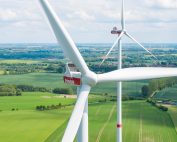
As offshore and onshore wind farms expand, researchers are looking higher for the next gains in wind power. A recent technical review of airborne wind energy systems (AWES) sets out where the technology stands and what still blocks it from commercial scale.
The case for going higher is straightforward. Conventional turbines capture wind below roughly 200 metres, where speeds are lower and more turbulent, leaving typical capacity factors under 35%. Building taller towers helps, but costs rise steeply with height. AWES — tethered kites, gliders or drones that fly at greater altitudes — aim to reach the stronger, steadier winds above that ceiling while using far less material than a tower-and-foundation turbine.
The review frames the technology against the scale of the task. The Global Wind Energy Council reported 117 GW of new wind capacity in 2024, lifting the cumulative total above 1,136 GW, yet tripling renewable capacity by 2030 would require roughly 320 GW of new wind a year — a pace 2024 met only about three-quarters of. Easily accessible low-altitude sites are filling up, which is part of why high-altitude concepts are drawing fresh attention.
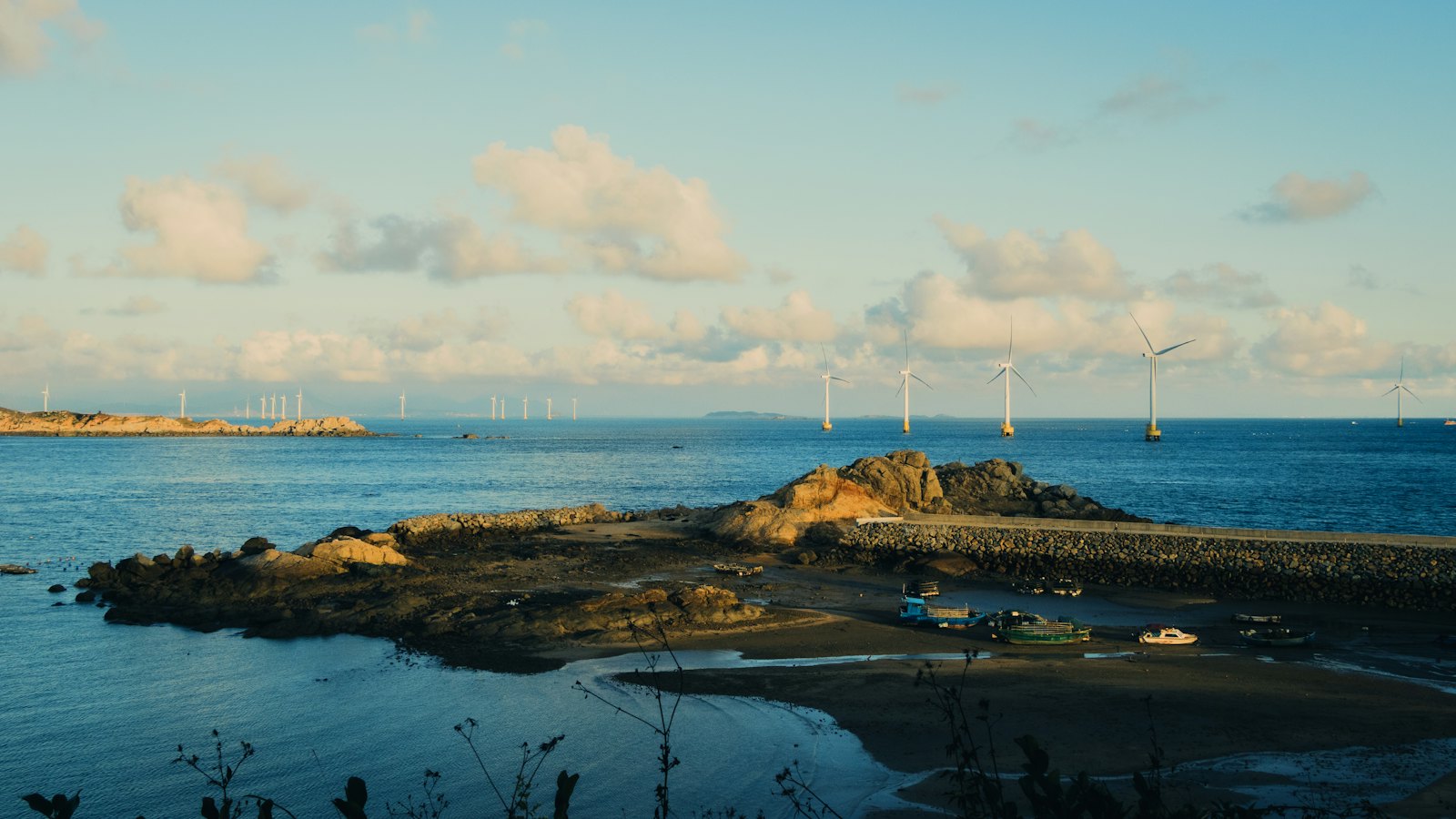
The same review is clear that engineering challenges remain. Reliable autonomous flight control, durable tethers, predictable power output and certification are all open problems, and no AWES design has yet reached the maturity of conventional turbines. For now the technology is a complement to, not a replacement for, the offshore and onshore wind being built out across the Baltic and North Sea.