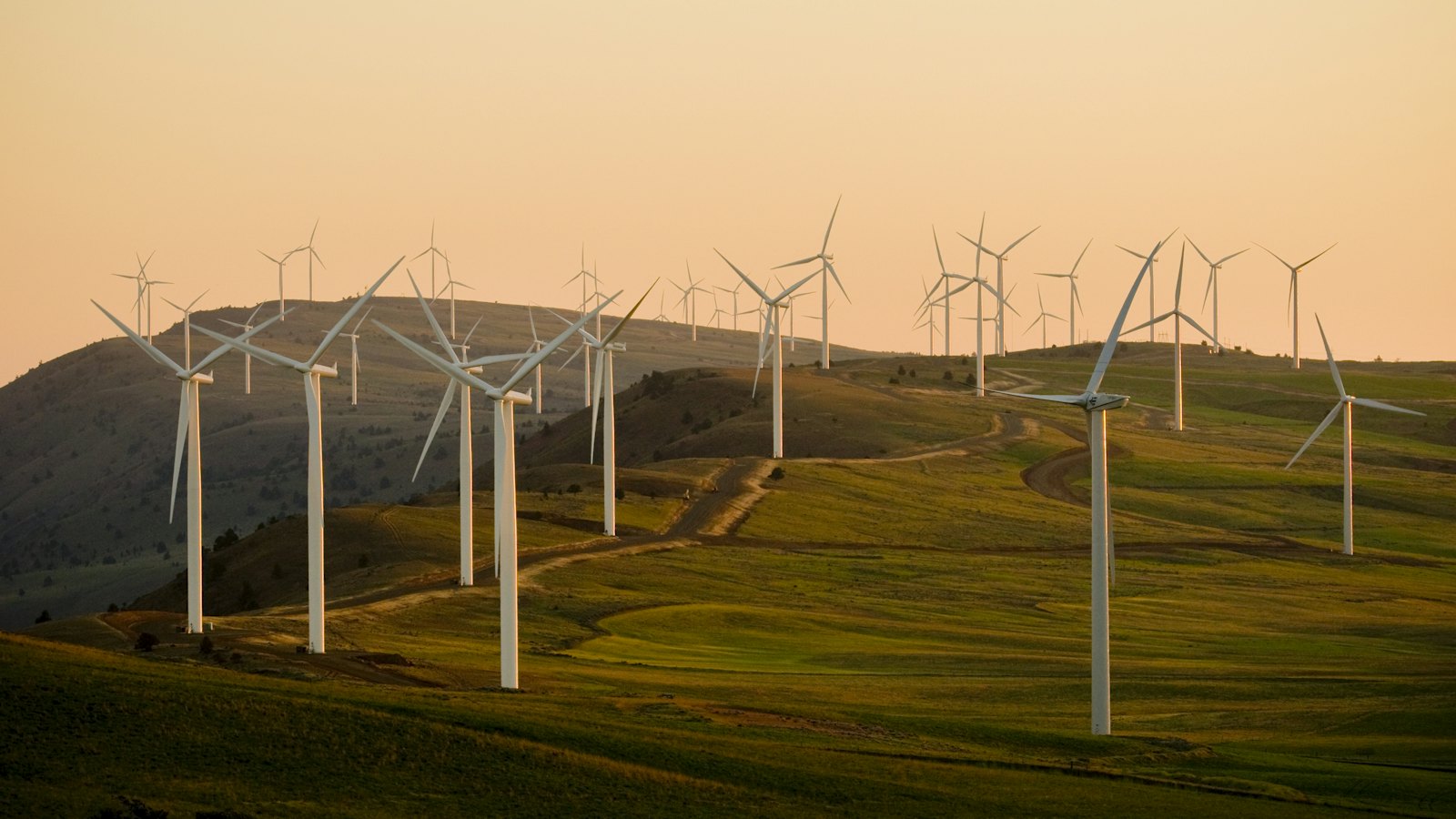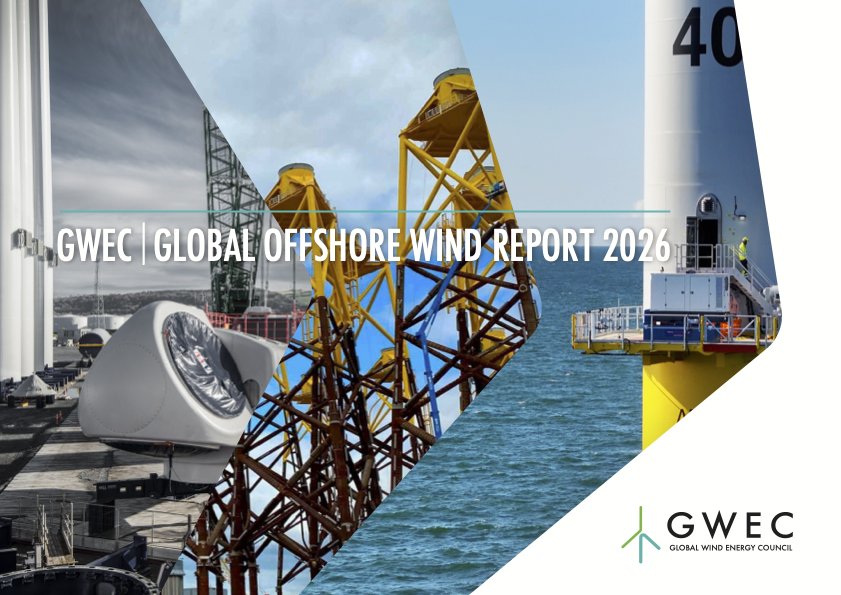
Governments should speed up the development and construction of offshore wind farms to shield their economies from future energy crises, the Global Wind Energy Council argues in its 2026 Global Offshore Wind Report, published in Hanoi on 9 June. The report sets out an eight-point action plan urging policymakers to treat offshore wind as nationally significant infrastructure in planning and procurement.
More than 9 GW of new offshore wind capacity was grid-connected worldwide in 2025, with 6.6 GW of that in China. It was the third-highest year on record and lifted the cumulative global total to 92.5 GW. GWEC’s outlook foresees up to 327 GW of new capacity added over the coming decade.
The council points to a procurement slowdown as a warning sign: just 11.4 GW was auctioned in 2025, about a fifth of the 2024 record. Around 25 GW of projects outside China are classed as “ready to build” but still awaiting final investment decisions, held back by permitting, grid and supply-chain bottlenecks.
The message lands squarely in the Baltic, where Poland, Germany and the Nordic states are scaling up offshore wind as a pillar of energy security. GWEC’s framing, homegrown renewables as insurance against imported-fuel shocks, mirrors the argument increasingly made by Baltic governments themselves.