Poland’s transmission system operator PSE held a security exercise codenamed “Blackout 2026” near Białystok in mid-June, testing how state services would respond to a physical attack on critical power infrastructure.
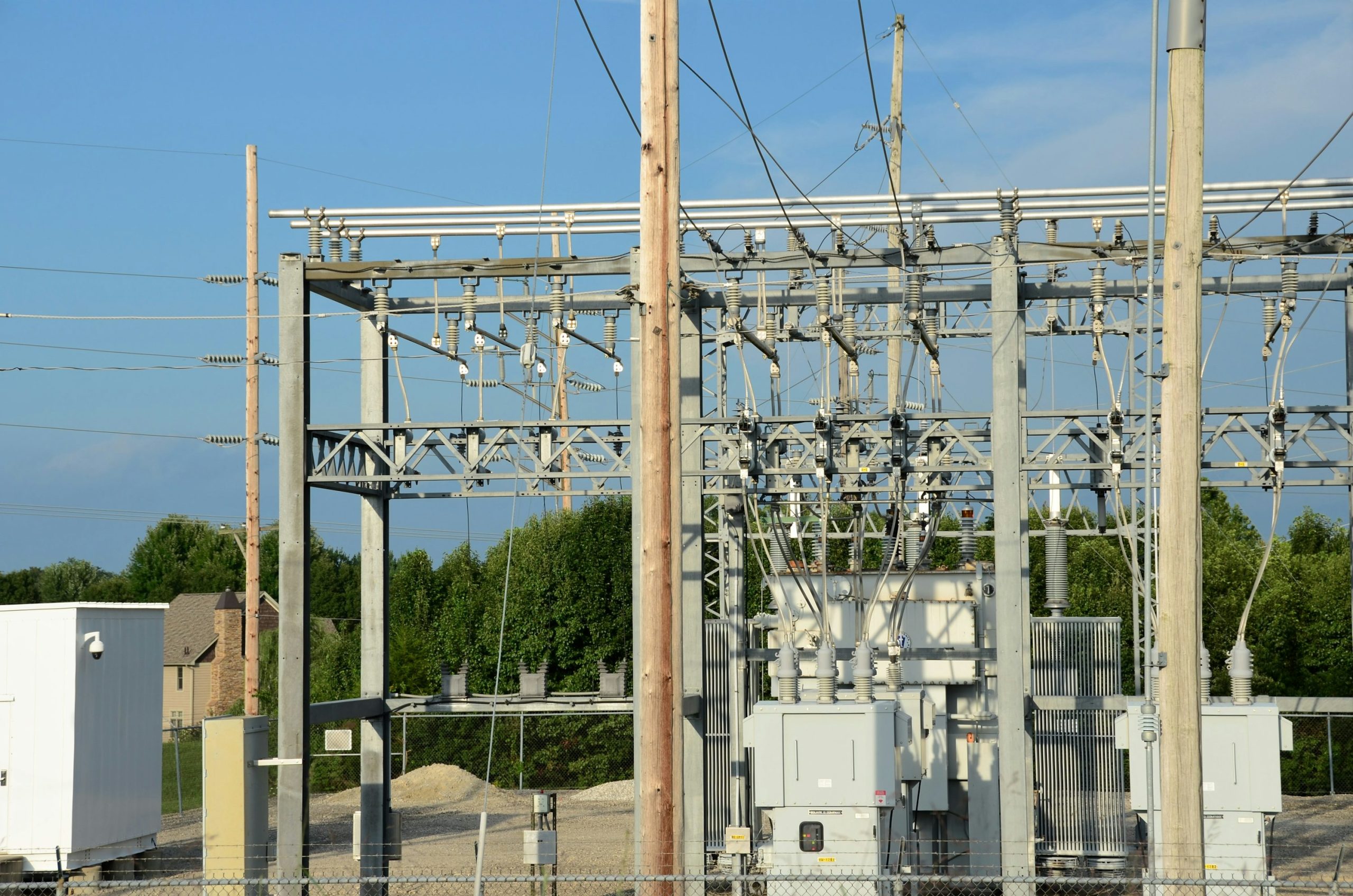
The drill ran from 10 to 12 June. Its scenarios included a suspicious package found near a transmission substation, an intrusion onto the site, and an attack on a PSE employee — a sequence designed to probe security at a highest-voltage substation and the coordination between the institutions that would respond to it.
A range of services and agencies took part, including the Podlaskie Provincial Crisis Management Centre, utility Polska Grupa Energetyczna (PGE), the Internal Security Agency (ABW), the Territorial Defence Forces, a commando military unit and local government bodies. The exercise tested operating procedures and inter-agency cooperation, and made use of drones, helicopters and specialist equipment of the kind the services would deploy in a real incident.
The drill reflects heightened attention to the physical protection of energy infrastructure in Poland and the wider Baltic region, where the security of grids, substations and subsea links has moved up the political agenda. For an operator running the backbone of the national power system, rehearsing the response to sabotage and intrusion has become part of routine preparedness.