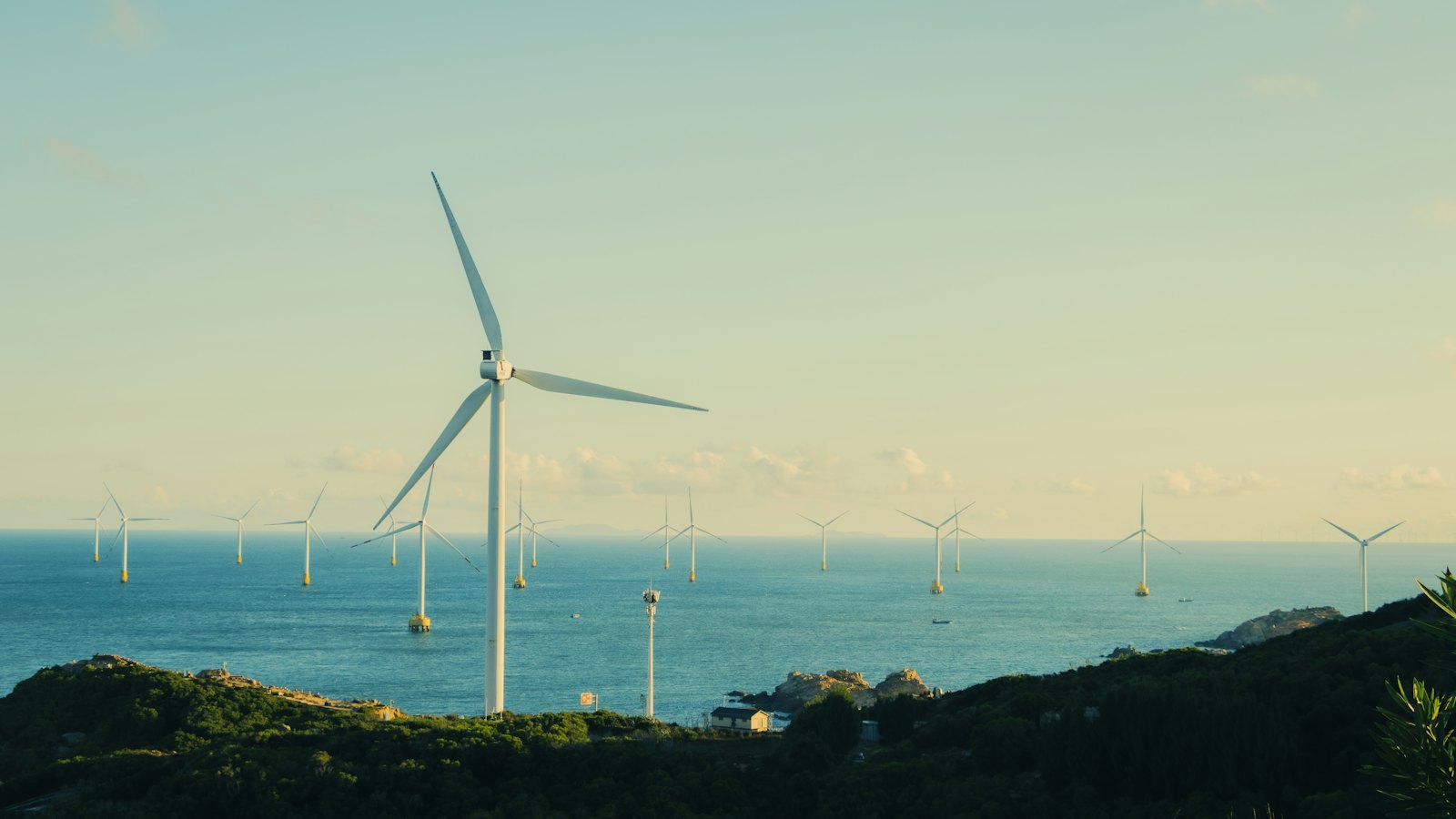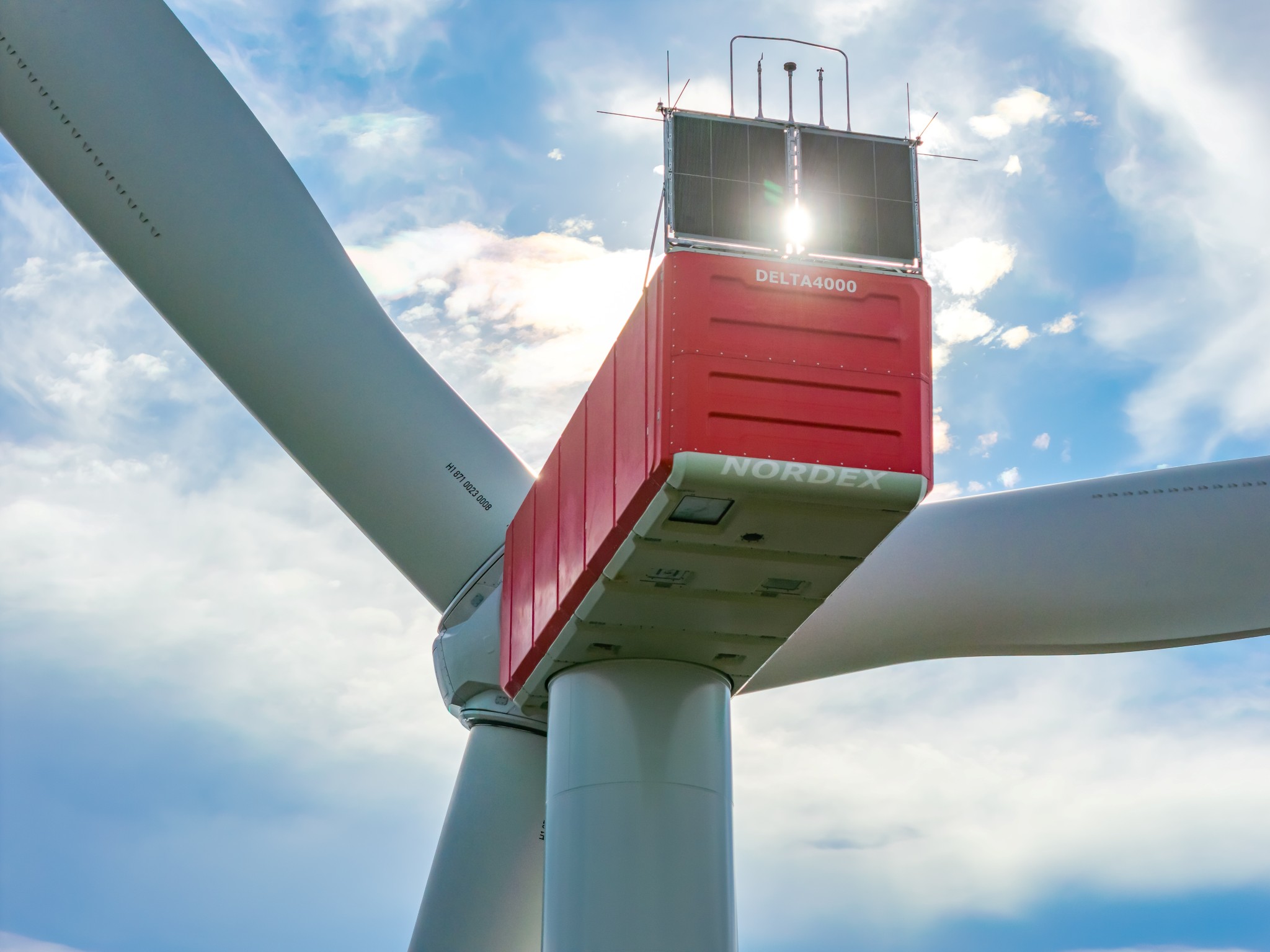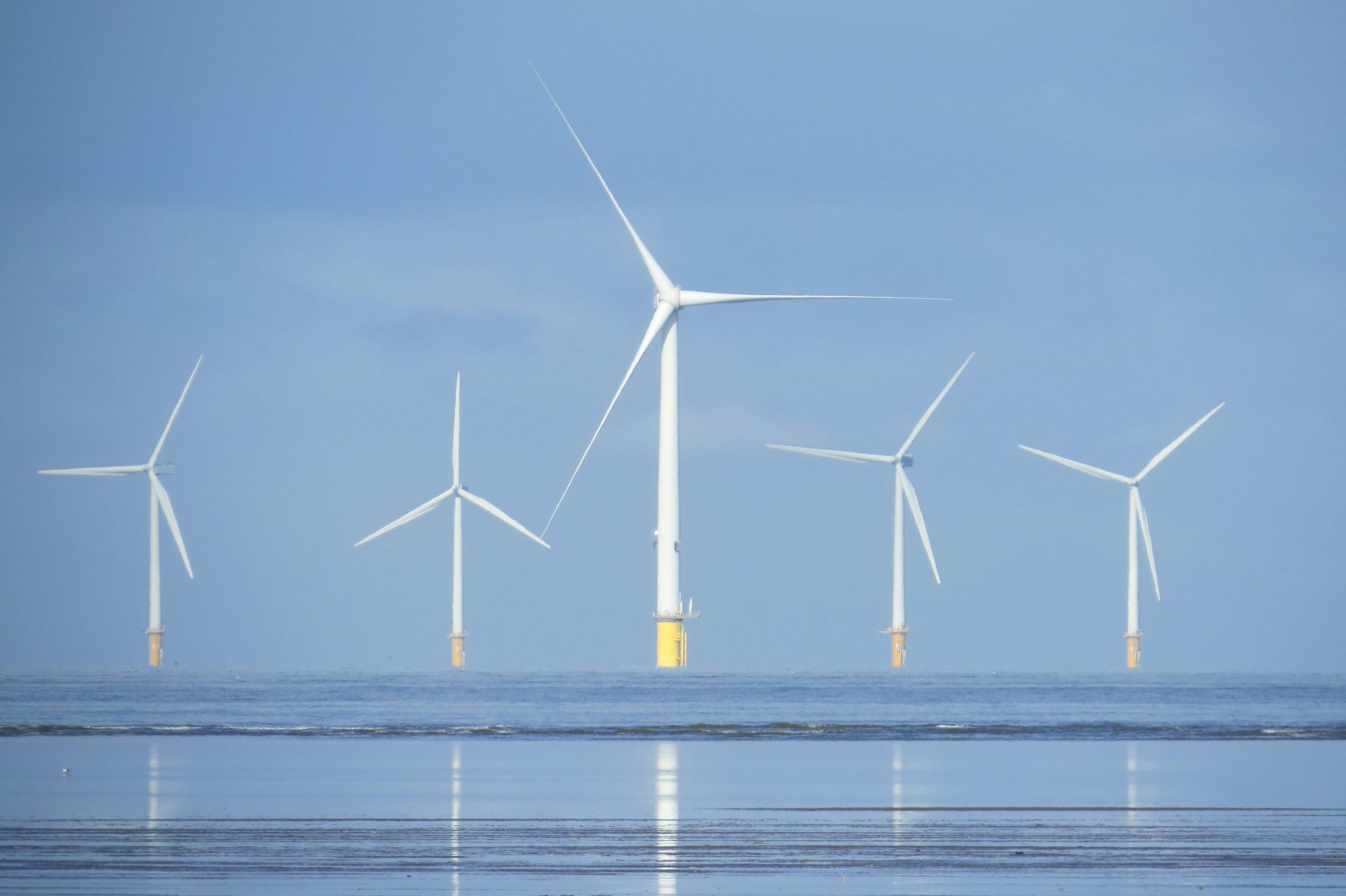
Electricity generated by the Baltic Power offshore wind farm has been fed into Poland’s national power grid for the first time, ORLEN announced. The milestone marks the country’s entry into offshore wind generation and one of the final stages in the construction of Poland’s first wind farm in the Baltic Sea. Fifty-four of the project’s 76 turbines have been installed, and construction is scheduled for completion this autumn.
Reaching First Power means the first turbine has started generating electricity and the wind farm is entering phased commissioning. In the coming weeks further turbines will undergo start-up and testing, with the electricity they produce already flowing into the national grid. The project’s output will increase gradually until it reaches its target capacity of 1.2 GW – the first operation of its kind carried out in Poland.
“Offshore work began at the start of 2025, and the first electricity is already flowing into the grid. Baltic Power is designed to operate for decades. Beyond generating electricity and reinforcing security, it will help develop a new sector of the Polish economy,” said Ireneusz Fąfara, CEO and President of the Management Board of ORLEN, which is developing the project in a joint venture with Canada’s Northland Power. He noted that ORLEN’s wider investment programme is expected to reach up to PLN 380 billion.
All 350 km of inter-array and export cables have been laid, both offshore substations are in place, and the onshore substation in the municipality of Choczewo is ready. More than 100 vessels and over 5,300 crew members and contractors have been involved in the project so far. The maintenance base in Łeba, operational since last year, will manage the farm’s operation and maintenance for around 30 years and houses the Offshore Coordination Centre, which manages vessel traffic in the project area.
Once fully operational, Baltic Power’s 76 turbines of 15 MW each will generate around 4 TWh of electricity annually – approximately 3% of Poland’s current demand, equivalent to the needs of more than 1.5 million households – and reduce CO2 emissions by up to 2.8 million tonnes a year. The farm covers 130 sq km some 23 km offshore near Choczewo and Łeba. Remaining steps include performance tests, occupancy permits, independent certification and a generation licence from the Energy Regulatory Office.