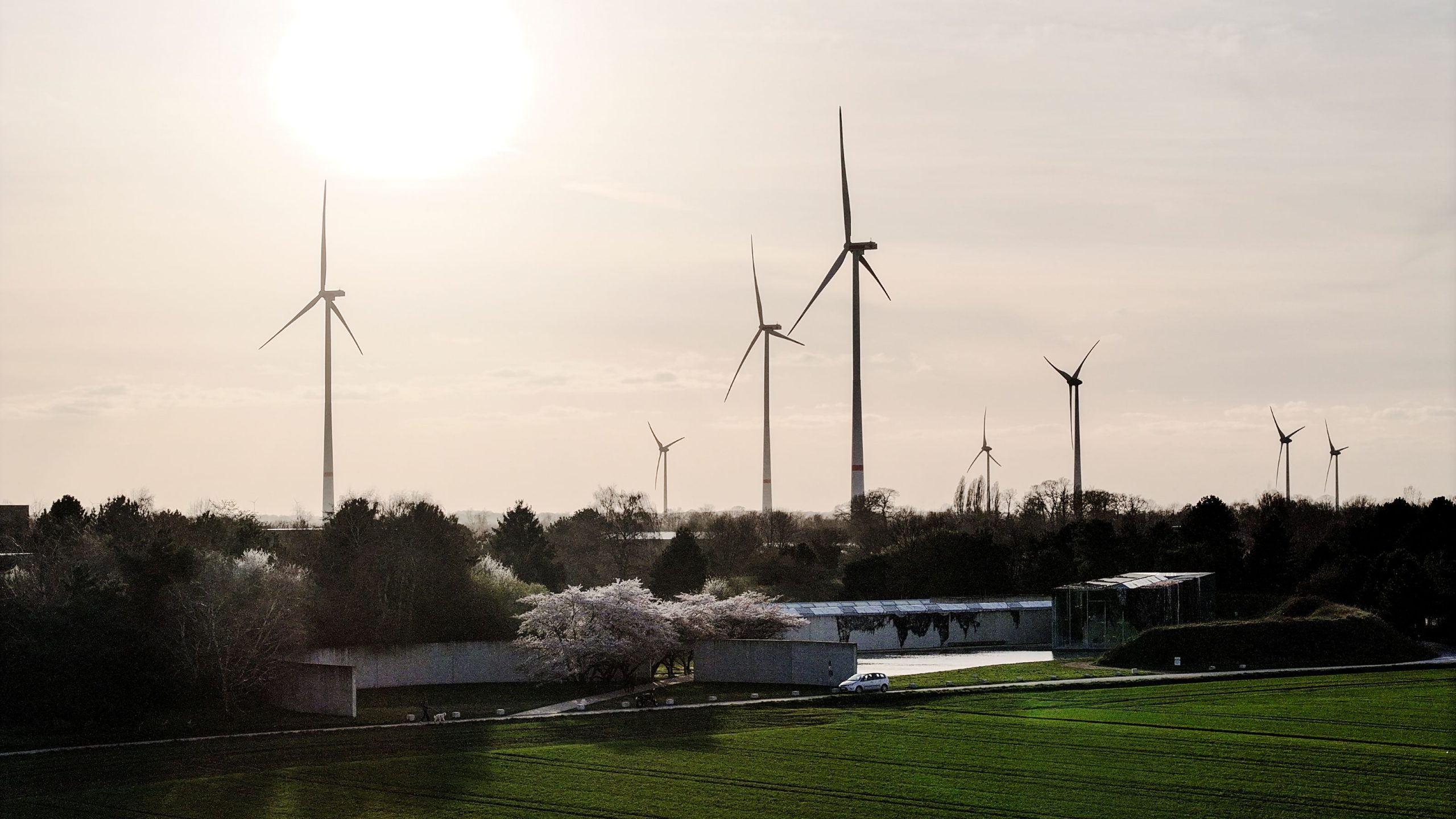
German onshore wind developer MLK Gruppe is expanding the financial participation it offers citizens in its wind projects, going beyond the legal minimum required in North Rhine-Westphalia. Operators of wind projects in the state must now create ways for municipalities and residents to take a financial stake; MLK says it treats this as more than a formality.
The company is currently using subordinated loans (Nachrangdarlehen) for its participation offers. The model lets private investors take part in renewable energy projects with comparatively low entry sums in exchange for a fixed rate of interest. MLK is open about the trade-off: a subordinated loan is an entrepreneurial stake, and if the underlying project fails financially, investors bear the risk of losing their capital in full.
The offers are aimed first at people in the project regions, but MLK does not want to limit participation to individual municipalities. Through a digital participation platform, citizens elsewhere in Germany can also invest in selected projects.
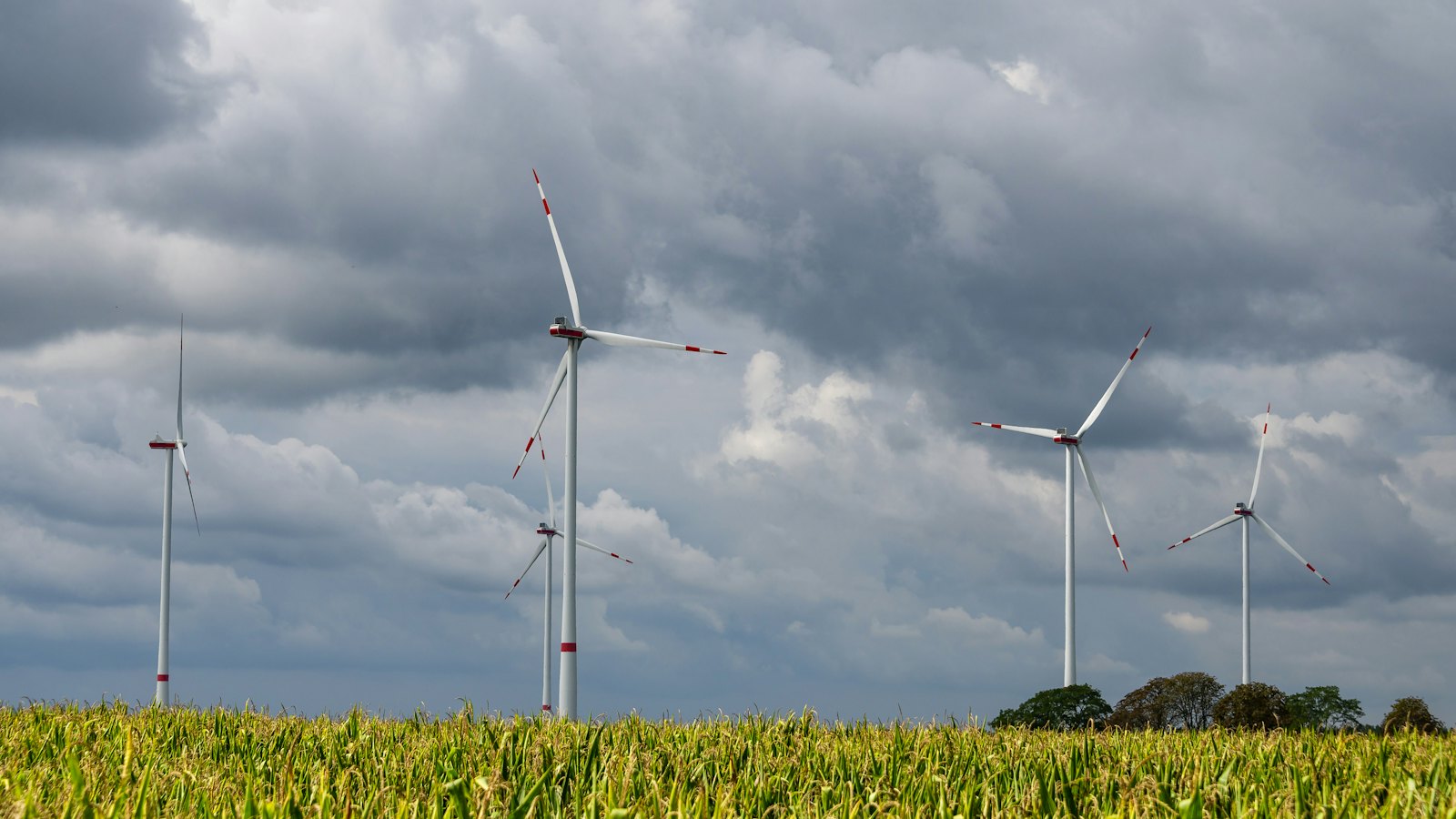
Two projects in the Rhineland show the approach in practice. The Korschenbroich wind farm, already in operation, is in the subscription phase for its subordinated loan, while the planned Kückhoven wind farm has opened an expression-of-interest phase for a future loan. “Those who experience the energy transition in their neighbourhood should also have the chance to take part in it economically,” said MLK managing director Heinrich Lohmann.
For the Baltic region, where community acceptance is a recurring hurdle for onshore wind, MLK’s model is a useful data point. With more than 780 MW of installed wind capacity, a 1 GW pipeline and a stated goal of 1 GW in own operation by the end of the decade, the company is betting that local financial participation, with its risks stated plainly, builds the durable acceptance that faster permitting alone cannot.