Sweden will need substantial investment in new generation, expanded grids and greater flexibility to meet electricity demand through to 2050, the country’s transmission system operator Svenska kraftnät said in its 2026 Long-term Market Analysis, the fifth edition of the biennial study.
Electricity use has been revised down from the operator’s previous analysis but is still expected to rise significantly, driven mainly by the electrification of industry, transport and digitalisation. The operator stresses that uncertainty remains high: the outcome of a handful of large projects or a small number of actors could swing demand sharply, particularly in scenarios with rapid electrification.
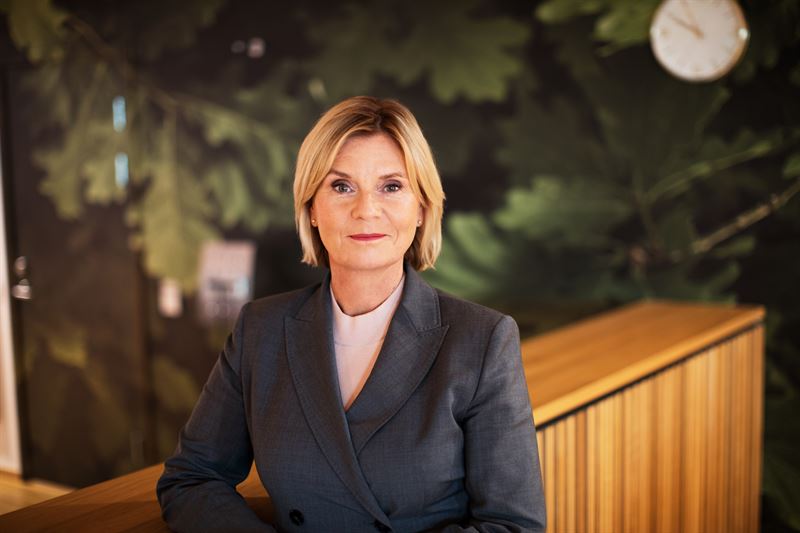
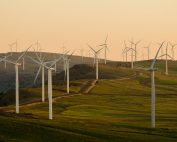
Meeting that demand will require a build-out of fossil-free generation at historically high levels — on average around 8 TWh per year over the next two decades in the most electricity-intensive scenarios. “Electrification demands additions of generation at historically high levels, so we need every fossil-free source,” said Viktoria Neimane, head of system strategy at Svenska kraftnät. Onshore wind and solar are the fastest and most cost-effective options today, she said, while nuclear and hydropower provide long-term capacity and security.
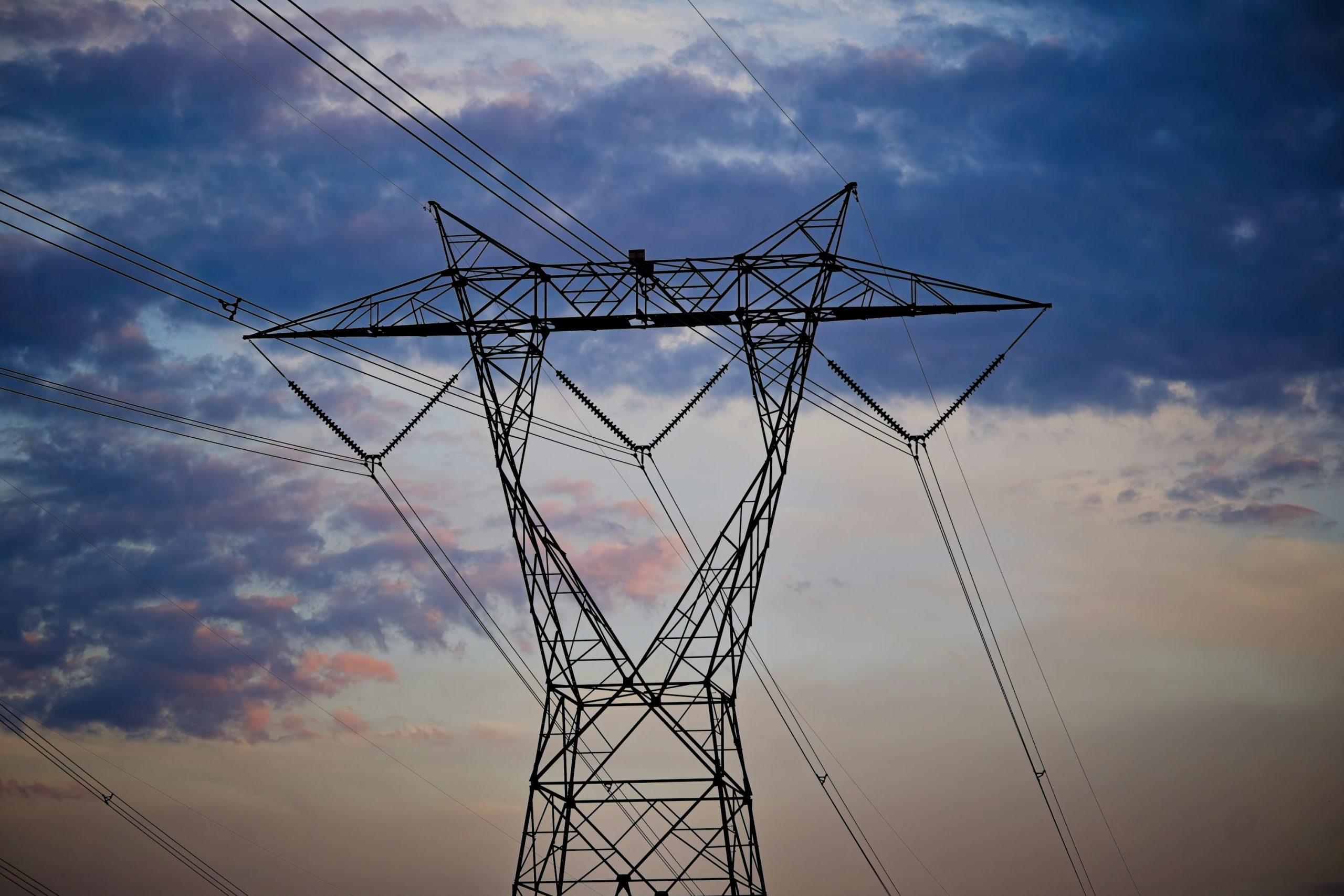
The analysis expects price differences within Sweden to narrow as new demand appears in the north and north-south transmission capacity is strengthened, and the gap to continental Europe to shrink as Sweden’s current power surplus is reduced. At the same time the system becomes more volatile: a larger share of weather-dependent generation means wider swings in electricity prices. “The sharp variations we have seen in recent years are here to stay and will intensify,” Neimane said. In that more variable system, flexibility — the ability to adjust both demand and generation to the system’s needs — becomes decisive for balance and operational security.
The study sets out four scenarios built around two axes, the pace of electrification and the share of renewable generation; the operator stresses these are not forecasts but a starting point for analysing the challenges different paths could pose. For the wider Nordic and Baltic market, where Sweden is a major power exporter, the build-out it describes and the narrowing of price differences would reshape cross-border flows for years to come.