18 May marks the International Day for Women in Maritime – a day highlighting the participation of women in one of the global economy’s most critical sectors. Although the maritime industry is developing rapidly and undergoing significant changes due to the energy transition and digitalisation, women still account for only 16% of the private maritime workforce.
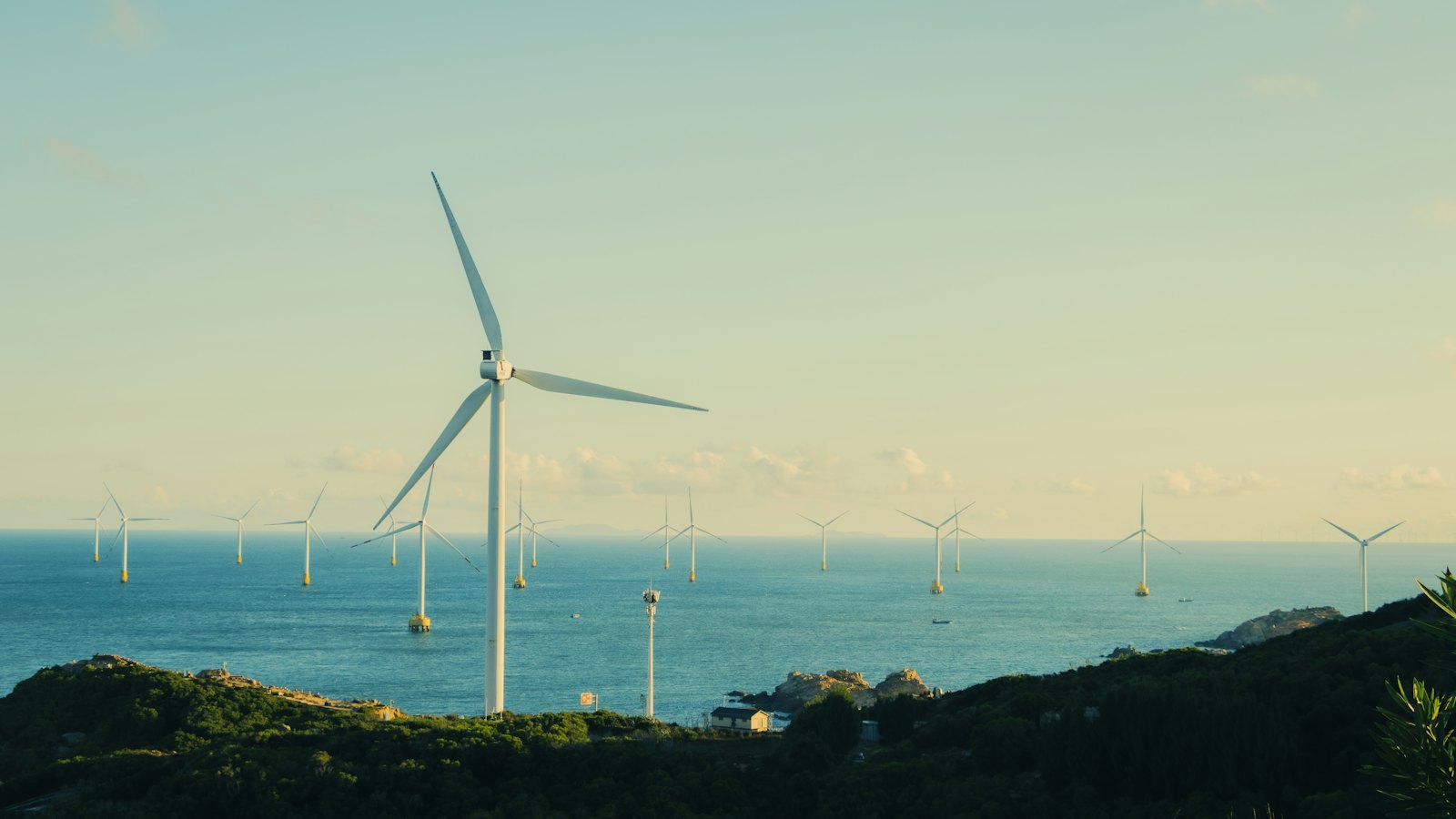
The maritime industry remains a cornerstone of the global economy. According to UNCTAD data, over 80% of global trade by volume is currently carried by sea. Simultaneously, with the ongoing energy transition and digitalisation, the sector’s growth is accelerating, particularly in the offshore industry. A report by Wind Europe estimates that employment in the European wind industry is set to rise to over 600,000 jobs by 2030 (up from the current 443,000).
The Gender Gap in Figures
As the industry grows, the question of who will shape its future becomes increasingly vital. According to the Women in Maritime Survey 2024, women made up just 19% of the workforce in national maritime administrations and 16% in the private sector. At sea, the figures are even lower, with women representing a mere 1% of the total number of seafarers. Although the number of women working in the maritime sector rose by nearly 25,000 between 2021 and 2024 – from 152,000 to over 176,000 – the industry still struggles with low female participation across many areas.
The expansion of the sector naturally leads to a growing demand for specialised personnel. Experts are already pointing to skills shortages resulting from the rapid development of the industry and the technologies it employs. Consequently, providing appropriate education that meets market needs has become crucial.
“The future of the maritime industry will be determined not only by investment and technology, but also by access to a well-educated workforce. We need educational programmes that prepare future specialists to work in an interdisciplinary environment – at the intersection of energy, engineering, digitalisation, and industrial cooperation. This is the direction set by the DigiWind programme, responding to real market needs,” says Dr Hab. Eng. Michał Wójcik, DigiWind Project Manager at Gdańsk University of Technology.
Bridging the Skills Gap
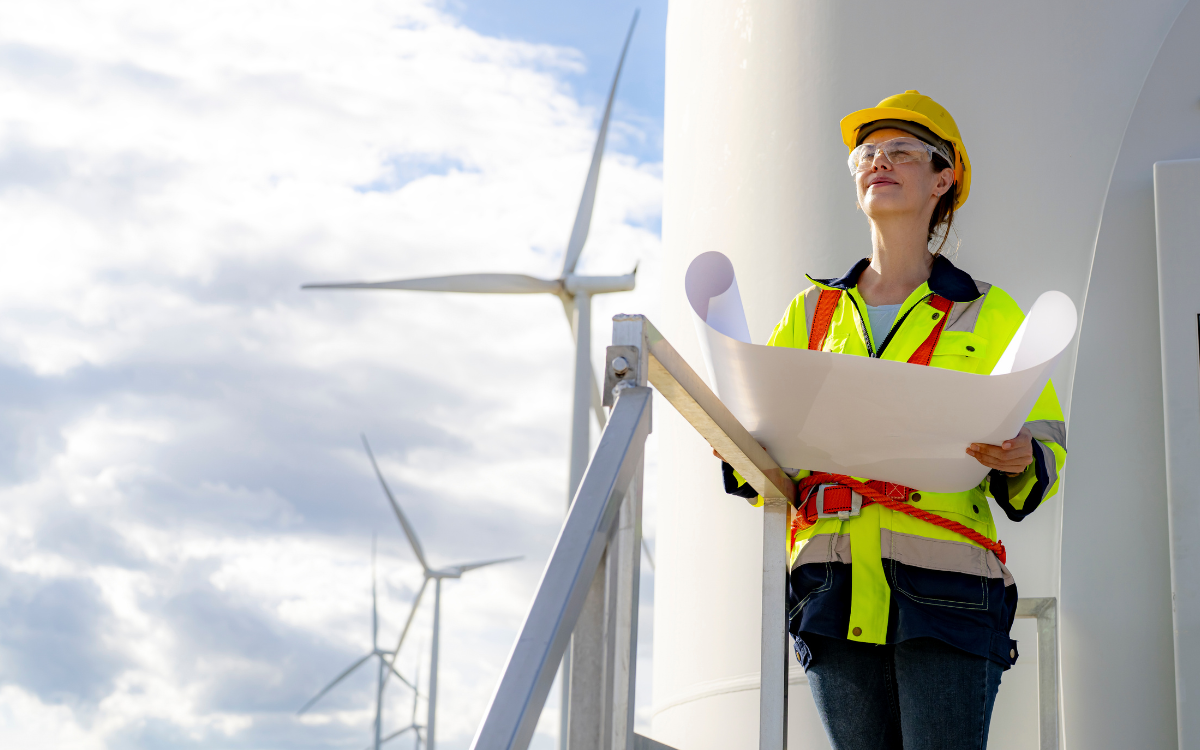
DigiWind is an international educational project based at Gdańsk University of Technology that develops modern curricula in the field of renewable energy. It combines knowledge of wind and power systems with digital expertise. A distinguishing feature of the programme is its cooperation with industry and the involvement of highly qualified teaching staff. This ensures students acquire skills that meet current market demands – covering technology, energy, and the digital tools supporting the development of modern wind systems. The first-year students of this course are soon to complete their inaugural year.
“The offshore industry seems incredibly promising to me – both in terms of professional development and its importance for the energy transition – but it requires a wide range of modern skills,” says Klaudia Pollak, a first-year DigiWind student at Gdańsk University of Technology. “It was also important to me that the degree programme is interdisciplinary and offers the chance to gain the skills currently sought after in the labour market.”
Looking Ahead
In Poland, women make up approximately 31% of students at maritime universities, demonstrating that they are under-represented even at the training stage. International Day for Women in Maritime draws attention to the significance of this gap, especially in the context of the energy transition and the rising demand for technical skills. Therefore, developing modern educational pathways and increasing female participation remains one of the major challenges for the maritime sector in the coming years.